

Industry notes
Better video review for bars and restaurants
Connect entrances, service areas and closing routines with a clear review and response process.
Published
THE USEFUL PART
- Separate ordinary busy activity from events that warrant attention.
- Use sequences and context before drawing conclusions.
- Plan alert ownership around the people actually on shift.
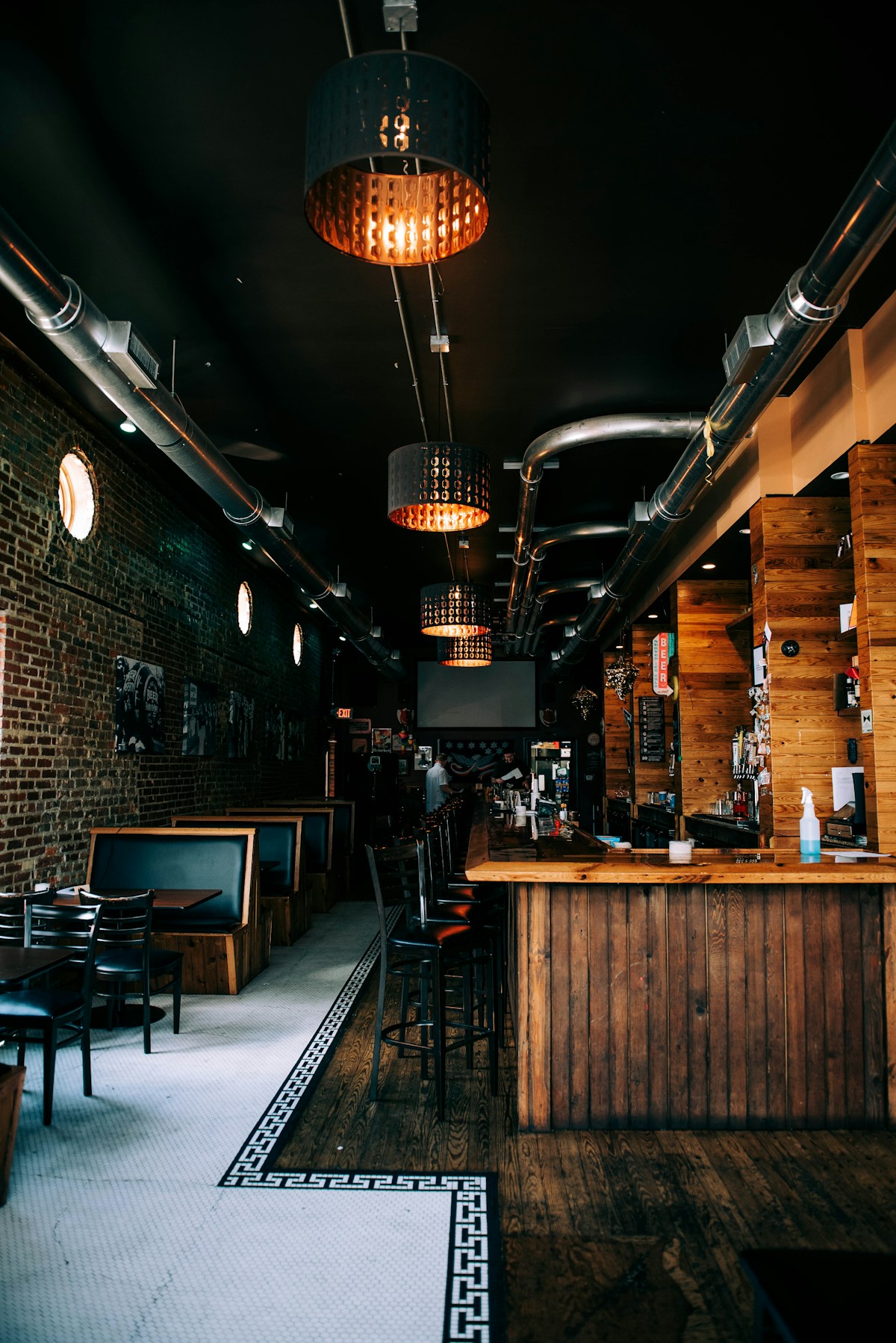
A busy venue is a demanding camera environment
Lighting changes, people overlap and movement is constant. A doorway that looks simple before opening can become a very different scene later in the evening. Any camera project for a bar or restaurant should be evaluated under those real operating conditions.
BlackSight’s hospitality direction is to connect relevant activity with useful video review. A manager might need to check an entrance, review a delivery or understand an event near closing. Each task deserves a specific camera view and workflow.
Choose where an alert would help
Start with a small number of clear scenarios. An exterior service entrance after closing may support a scheduled access rule. A crowded public entrance may require a more careful review process because normal conversation, gestures and movement can resemble the beginning of a conflict.
Avoid sending every detected movement to a busy manager. Decide which events require immediate attention, which belong in a later review queue and who receives them when the usual supervisor is off shift.
Context matters when people interact
A single frame can be misleading. A raised arm might be a greeting, an attempt to get attention or part of an altercation. The surrounding sequence, location and actions of other people can change the interpretation.
BlackSight’s illustrative bar scene shows the kind of review experience we are exploring. It is not a measurement of aggression-detection accuracy. Specialized interaction analysis will need testing against ordinary busy-venue behavior as well as the events it is intended to surface.
Keep the response plan practical
The UK Health and Safety Executive publishes employer guidance on violence and aggression at work. Camera review should sit within the venue’s wider approach to staff support and incident handling, rather than becoming an improvised response policy.
Document how staff request help, who reviews footage and how a concern is escalated. An alert should not direct untrained staff into a dangerous situation. Its role is to provide information to the people following the venue’s established procedures.
Reference: HSE — Violence and aggression at work
Design for the end of the shift too
Closing routines are a useful place to ask concrete questions. Which doors should be inactive? Which cameras remain readable after lights are reduced? Who reviews an alert when the manager has left? Test these conditions instead of assuming daytime footage is representative.
- Review entrance and service-door views at actual operating hours.
- Check glare, low light, crowding and obstructions.
- Define the on-shift and out-of-hours reviewer.
- Keep permissions and clip-sharing responsibilities clear.
- Measure useful alerts and missed events during a bounded pilot.
The intended BlackSight benefit
We are designing one experience for compatible cameras, local processing, event review and authorized remote access. For hospitality teams, the potential benefit is a clearer path from something happening on camera to someone assessing it with the right context.
The platform and its specialist scenarios remain in development. The first deployment conversation should focus on the venue’s actual layout, staff workflow and acceptance criteria, with dealers and installers responsible for site design and setup.
HELP SHAPE WHAT COMES NEXT
Bring us your use case.
Tell us where you want a clearer view. Contact our team to discuss your project.
Contact us Explore the system design